The Forex market, known for its immense liquidity and 24-hour trading cycle, offers traders countless opportunities to grow their capital. However, navigating this dynamic market successfully requires more than intuition; it demands proven trading techniques, strategic planning, and disciplined execution. Understanding and applying the right forex trading techniques can significantly improve a trader’s chances of achieving consistent profits.
1. Technical Analysis Techniques
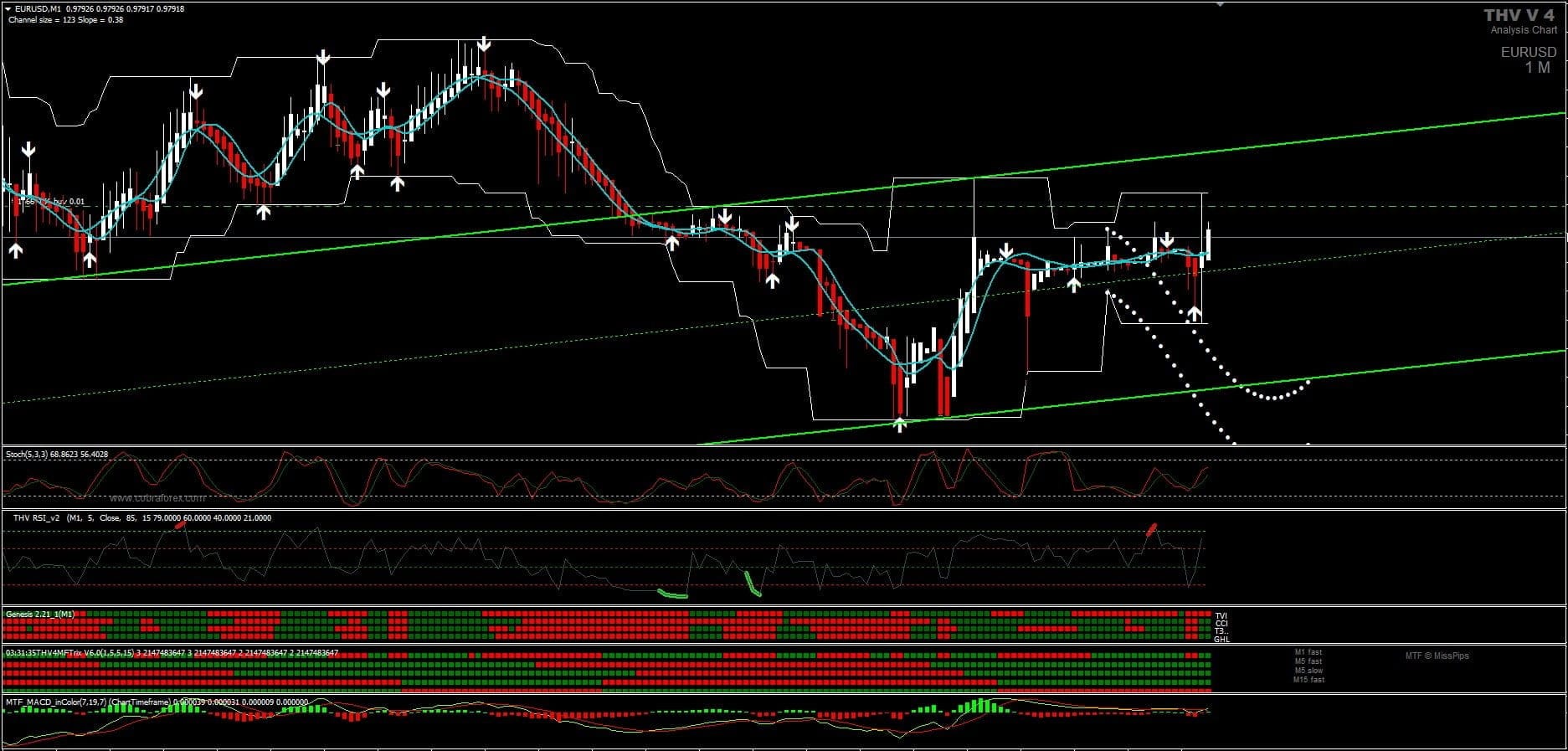
Technical analysis is a cornerstone of Forex trading. Traders use historical price data, charts, and technical indicators to predict future price movements. Popular techniques include moving averages, Fibonacci retracements, and candlestick patterns. By analyzing trends, support and resistance levels, and price action, traders can identify potential entry and exit points. Technical analysis is particularly effective for short- to medium-term trading, helping traders make informed decisions based on market behavior rather than speculation.
2. Fundamental Analysis Techniques
Fundamental analysis involves evaluating economic, political, and financial factors that can influence currency values. Key indicators such as interest rates, inflation, GDP growth, and employment data play a critical role in determining currency trends. Traders who combine fundamental analysis with technical tools gain a comprehensive view of the market, allowing them to anticipate major price movements and trade with confidence during events like central bank announcements or geopolitical developments.
3. Risk Management Techniques
Effective risk management is essential in Forex trading. No matter how skilled a trader is, every trade carries potential losses. Techniques such as setting stop-loss and take-profit orders, controlling leverage, and limiting the size of each trade help protect capital. A well-defined risk-reward ratio ensures that potential gains outweigh possible losses, enabling traders to sustain long-term profitability and remain disciplined in volatile markets.
4. Scalping and Day Trading Techniques
Scalping and day trading are popular techniques for traders seeking short-term profits. Scalping focuses on making numerous small trades over a day, aiming to capture minor price movements. Day trading involves opening and closing trades within the same trading session, avoiding overnight exposure. Both techniques require quick decision-making, sharp analytical skills, and strict adherence to trading plans. Real-time data, precise timing, and discipline are crucial for success in these fast-paced trading methods.
5. Swing Trading Techniques
Swing trading is a medium-term strategy that capitalizes on market “swings” or price fluctuations over several days or weeks. Traders look for opportunities to buy low and sell high, often using a combination of technical and fundamental analysis. Swing trading allows more flexibility than day trading, offering time for careful research and strategic decision-making while still capturing significant market movements.
6. Continuous Learning and Adaptation
The Forex market is constantly evolving, influenced by economic developments, geopolitical events, and investor sentiment. Top traders never stop learning; they review past trades, test new strategies, and adapt their techniques to changing market conditions. Keeping a trading journal and analyzing both successes and failures helps refine strategies and improve overall trading performance.
In conclusion, mastering Forex trading requires a combination of analytical skills, disciplined execution, and consistent learning. By applying technical and fundamental analysis, implementing risk management, and exploring techniques like scalping, day trading, and swing trading, traders can enhance their potential for success. Adopting these strategies with patience and discipline ensures a structured approach to navigating the fast-paced world of Forex.
Categories: Service

0 Comments